The Impact of Environment on Animal Behavior
As we continue our 30-day journey into the world of animal science and welfare, today we delve into a fascinating topic: the impact of environment on animal behavior.
Personal Story
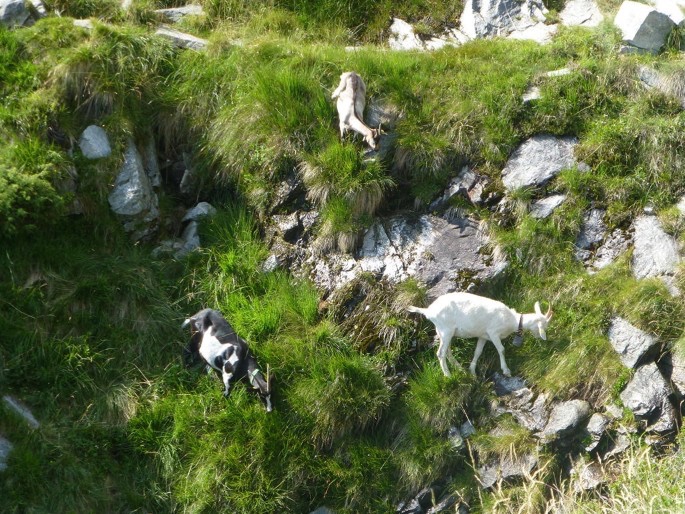
During a recent visit to a small village in Ghana, a group of free-roaming goats were noticed. They were not just wandering aimlessly; they were actually foraging for food, interacting with one another, and even displaying protective behaviors toward their young. A local farmer explained that, “The goats here have learned to navigate the rocky terrain and find the best food sources. Their behavior changes with the seasons; in the dry months, they venture further to find water.” This observation highlights the adaptability of animals to their environment, a theme echoed in scientific research.
Research Findings
Numerous studies have shown that environmental factors—such as habitat, climate, and social structure—play a crucial role in shaping animal behavior. For instance, a study published in Animal Behavior found that animals in enriched environments exhibited more complex social interactions and problem-solving skills compared to those in barren settings. The researchers noted, “Environmental enrichment enhances cognitive abilities and reduces stress in animals, leading to healthier and more socially engaged individuals.”
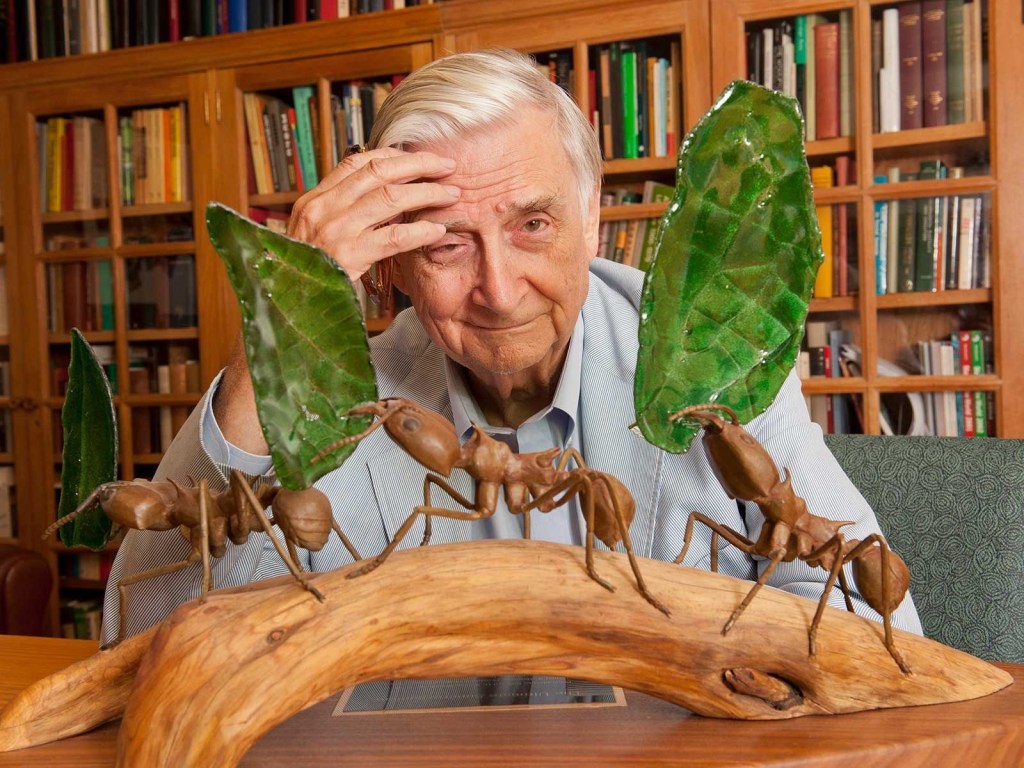
Additionally, the concept of “biophilia,” proposed by biologist Edward O. Wilson, suggests that humans have an innate affinity for nature, which extends to the animals we interact with. This connection can significantly influence animal welfare, as animals thrive in environments that reflect their natural habitats.
Expert Insights
Dr. Jane Goodall, renowned primatologist and animal welfare advocate, once said, “What you do makes a difference, and you have to decide what kind of difference you want to make.” This sentiment resonates deeply when considering how we can create better environments for animals.
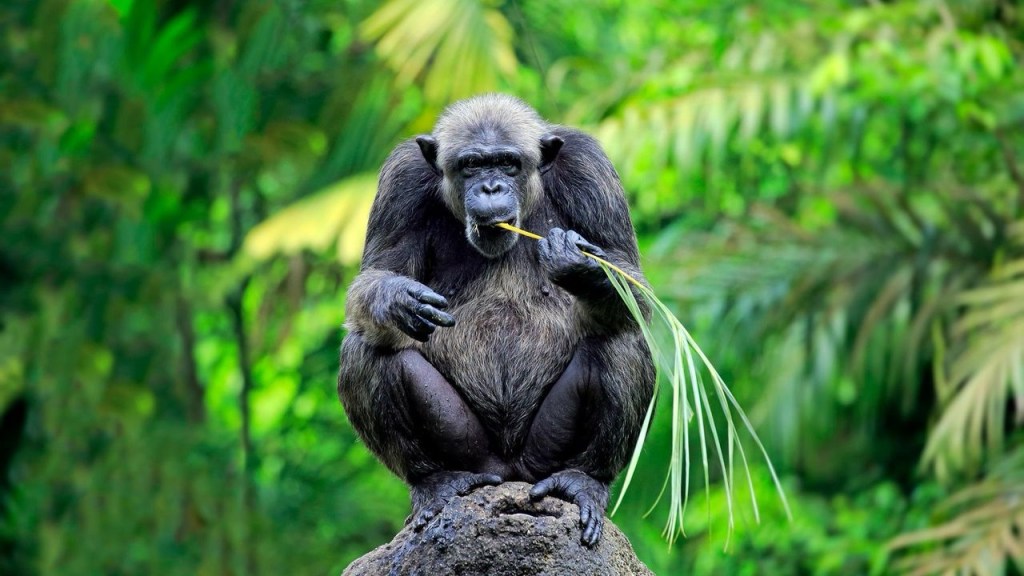
In her research, Dr. Goodall has highlighted how chimpanzees in natural habitats exhibit more complex behaviors than those in captivity. “In the wild, they are not just surviving; they are thriving. They have the freedom to explore, socialize, and express their natural instincts,” she emphasized during a recent talk.
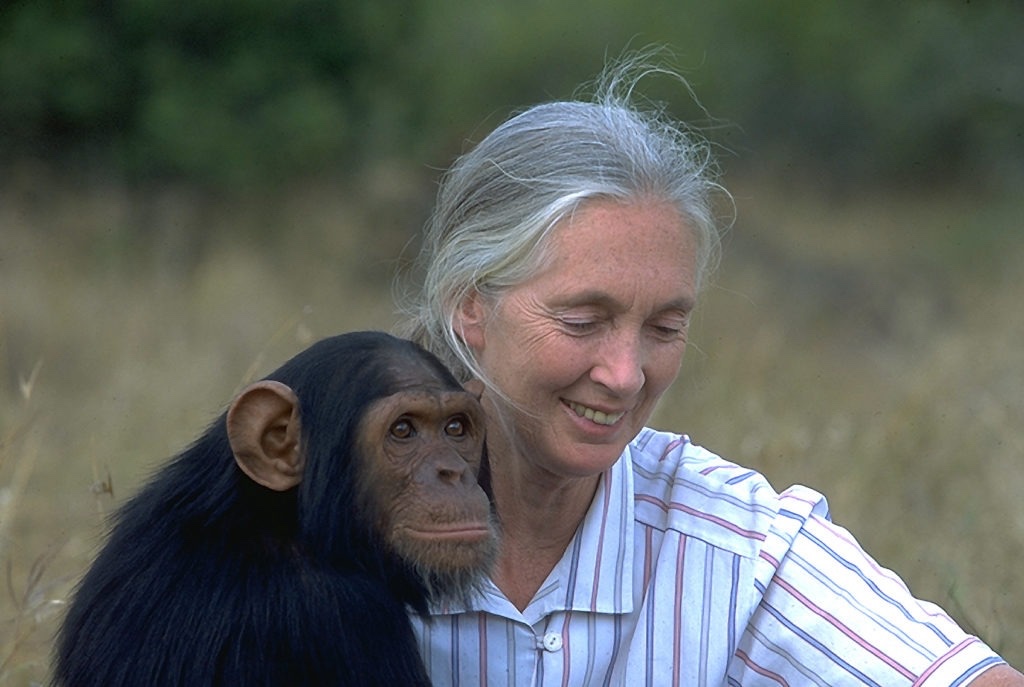
As we reflect on the relationship between environment and animal behavior, we encourage you to consider how you can contribute to improving the environments in which animals live. Whether it’s advocating for better habitats in zoos, supporting wildlife conservation efforts, or even creating a more enriching environment for your pets at home, every action counts.
Question
How do you think we can better design environments that cater to the natural behaviors of animals? Share your thoughts in the comments!

Each species is a masterpiece, a creation assembled with extreme care and genius. Biodiversity is the totality of all inherited variation in the life forms of Earth, of which we are one species. We study and save it to our great benefit. We ignore and degrade it to our great peril.

Let’s continue to raise awareness about the importance of environment in animal welfare. Together, we can make a difference!
#AnimalWelfare #AnimalBehavior #EnvironmentMatters #WildlifeConservation #Biophilia #AnimalScience #30DayChallenge
 THE ANIMAL WELFARE BLOG
Great work sir 🎉
Your advocate and awareness for animals health is worth praising 🥳👊
LikeLiked by 1 person
🙏
LikeLike